Grays RM17 guide to rubbish collection points and schedules
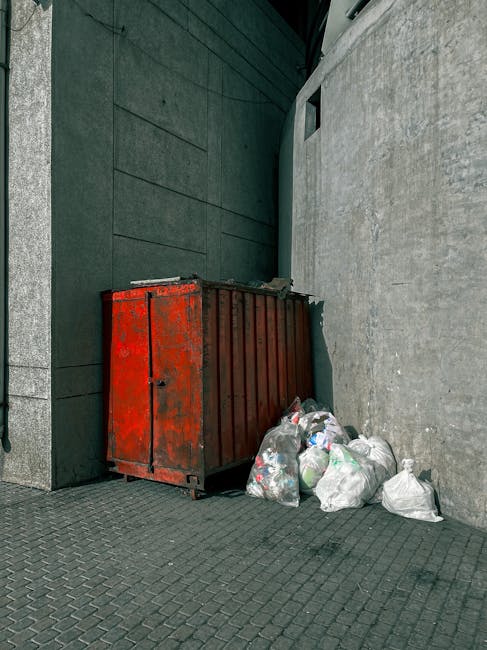
If you live or work in RM17, rubbish rarely becomes a problem all at once. It builds quietly. A bag by the back door. Cardboard from a delivery. A broken chair in the hallway. Then suddenly you are trying to remember which collection point is closest, what time the bins go out, and whether today is even the right day. This Grays RM17 guide to rubbish collection points and schedules is here to make that easier, with a clear, local, practical explanation of how collection points, timing, and disposal choices fit together.
Truth be told, most people do not need a complicated waste strategy. They need the right bin, the right place, and a schedule they can actually follow. That is what this guide focuses on. You will find a simple breakdown of how rubbish collection points are used in Grays RM17, what schedules usually mean in day-to-day life, where people trip up, and when a professional clearance service is the cleaner option.
Along the way, we will also look at bulky waste, fly-tipping risks, business waste, flat living, and those awkward items that never seem to fit neatly into the routine. Let's get into it.
Key takeaway: if you understand your collection point, know your collection day, and separate waste early, you save time, avoid missed collections, and keep the property far tidier. Simple enough. Not always easy, but simple.
Why Grays RM17 guide to rubbish collection points and schedules Matters
Waste collection sounds routine until it interrupts your week. In RM17, that might be a missed bin because it was left at the wrong point, a recycling sack set out too late, or a bulky item left in a shared area because nobody was sure what to do with it. A clear understanding of collection points and schedules reduces all that friction.
For households, the issue is usually convenience and cleanliness. For landlords and flat blocks, it is about shared responsibility and preventing bins from overflowing. For local businesses, it is often about keeping entrances, yards, and staff areas presentable without waste building up in plain sight. And for anyone doing a clear-out, timing matters because waste tends to multiply at the worst possible moment. You start with a cupboard and end up with half the garage on the pavement. Happens all the time.
In practical terms, the guide matters because rubbish collection is not just about "bin day". It is about where waste is stored before collection, whether the right container is being used, and how quickly items can be moved offsite when the usual route is not enough. That is especially useful for people comparing scheduled collections with ad hoc removal through a service like waste removal support in Grays, where flexibility can matter more than waiting for the next scheduled pickup.
There is also the simple human side of it. Nobody enjoys standing in a damp alley at 7 a.m. with a bag that has split open and a lid that will not close. A good system avoids that small misery. And to be fair, those little annoyances add up.
How Grays RM17 guide to rubbish collection points and schedules Works
At the most basic level, rubbish collection in RM17 follows a pattern: waste is stored in a designated place, placed out for collection at the right time, and then removed according to the local arrangement for the property or site. The details vary depending on whether the property is a house, flat, managed block, rental, or business premises.
A collection point is simply the agreed place where waste should be left for pickup. For a house, that might be the front boundary, the kerbside, or an alley access area. For a block of flats, it could be a shared bin store, a dedicated refuse area, or a service yard. For a business, it might be a rear loading area or a secure compound. The important thing is consistency. Waste left in the wrong spot is the sort of thing that causes missed collections and, in some cases, neighbourly grumbling that nobody needs on a Monday morning.
A schedule is the timing side: which day or days waste should be presented, and whether certain streams such as recycling, general rubbish, or garden waste have different pickup patterns. Some properties also need to think about when access is available. If bins are locked away, moved by staff, or stored behind gates, then the schedule is not just a date on a calendar; it is a bit of coordination.
In many cases, people also need to decide whether scheduled collection is enough. A one-off clear-out after a loft tidy, for example, may be better handled by a clearance service rather than waiting for the normal cycle. That is where pages like house clearance or flat clearance become relevant, especially when the waste is mixed, bulky, or simply too much for routine bins.
Another practical point: schedule accuracy matters more than people think. If you put waste out too early, it can attract pests or become scattered. Too late, and you miss the round. A small timing window can make the difference between a tidy street and a messy one. That is not glamorous, but it is real life.
Key Benefits and Practical Advantages
Getting rubbish collection points and schedules right gives you more than convenience. It improves daily order, reduces complaints, and makes properties easier to manage. That sounds a bit dry, yet anyone who has lived near overflowing bins knows how quickly waste becomes a morale issue.
- Cleaner shared spaces: bins are less likely to spill into hallways, yards, or communal access routes.
- Fewer missed collections: the right placement and timing make it much more likely waste gets taken first time.
- Better pest control: sealed, well-timed waste presentation discourages rats, seagulls, and the whole unpleasant ecosystem that comes with open rubbish.
- Less neighbour friction: no one wants to be the person whose bin is always in the way.
- More efficient waste handling: once the routine is clear, staff, tenants, or family members know exactly what to do.
- Improved appearance: especially useful for shops, offices, lettings, and managed buildings.
There is also a financial angle. Even where the bin service itself is included in a property arrangement, poor presentation can create extra hassle, extra labour, or avoidable call-outs. For business premises, that can be especially frustrating because waste handling should support operations, not distract from them. If your situation involves regular commercial waste, a dedicated arrangement such as business waste removal may be a better fit than trying to stretch general household-style systems beyond their limits.
And then there is recycling. A clear schedule makes recycling easier to separate, which in turn usually makes the whole system less wasteful. Small step, big effect. Nothing dramatic, just better habits.
Who This Is For and When It Makes Sense
This guide is useful for a wider group of people than you might expect. It is not just for residents who are tired of juggling bins. It also helps landlords, letting agents, facilities managers, homeowners preparing for a move, and businesses that want their waste routines to work without fuss.
You will likely benefit most if you are:
- living in a house where kerbside collection timing matters
- sharing bins in a block of flats or converted property
- managing a rental and want tenants to follow a clear routine
- running a shop, office, workshop, or small business in RM17
- dealing with a loft, garage, or garden clear-out
- trying to avoid fly-tipping, overspill, or complaints
It also makes sense when life changes. Moving home, clearing a deceased estate, renovating, or even just having a big seasonal tidy-up can all push normal rubbish arrangements past their limits. At that point, a scheduled collection system is still useful, but it may not be enough by itself. For heavier or awkward materials, services such as builders waste clearance or garden clearance can save a lot of time and backache.
One thing I have noticed over the years: people often wait too long to deal with waste because they think it is a "later" job. Then later becomes tomorrow, and tomorrow becomes a pile that gets in the way of everything. So if you are in that stage now, you are probably the exact reader this guide is for.
Step-by-Step Guidance
Here is a practical way to handle rubbish collection points and schedules in RM17 without overcomplicating it.
- Identify your property type. House, flat, business site, or managed building. This determines where waste should go and who is responsible for presentation.
- Find the collection point. Look for the agreed storage area: kerbside, bin store, rear yard, service gate, or communal refuse point. If you are unsure, check the property rules or ask the managing agent.
- Separate waste streams early. Keep general rubbish, recycling, cardboard, garden waste, and bulky items apart where possible. It saves sorting later.
- Note the schedule. Put collection days and times somewhere visible. A phone reminder is fine. A kitchen note is fine too. Whatever you will actually use.
- Prepare waste the evening before if needed. But do not do it so early that bags become damaged or access becomes blocked.
- Check access on the day. Gates, locks, cars, parked vans, or internal doors can all cause problems. Small detail, big consequence.
- Move bins back promptly. Once collected, return containers to storage so pathways stay clear.
- Escalate when routine collection is not enough. If waste is bulky, mixed, or too large for standard bins, arrange a one-off service rather than letting it sit.
If you are dealing with a room-by-room clear-out, it can help to work from the top down. Loft first, then garage, then garden, then living spaces. That stops waste from being moved around endlessly. For example, a job involving old wardrobes, a broken mattress, and a few damp boxes may be better handled with loft clearance or mattress and sofa disposal than by trying to force everything into the usual bin routine.
Keep one rule in mind: if the collection point makes life harder rather than easier, the system needs adjusting. Not the other way around.
Expert Tips for Better Results
Most waste problems are not dramatic. They are small habits repeated badly. The good news is that the fix is usually small too.
- Use colour-coded sacks or labels where possible. It reduces confusion in shared properties.
- Do a quick "bin audit" once a week. A 60-second look can catch leaks, overfilling, or missed sorting.
- Keep a bulky-item corner. Even a tiny designated space stops furniture and boxes spreading into the wrong areas.
- Protect wet waste from dry waste. One leaky bag can spoil a whole collection area.
- Match the removal method to the waste type. Garden waste, office clear-outs, and household junk each behave differently.
A practical example: if you run a small office and your paper recycling is always ending up in the general bin, the issue is usually not the bin. It is the workflow. Put a recycling container where people naturally pass it, not tucked away by the copier nobody uses. Same waste, better behaviour. Funny how that works.
For homes, another useful habit is to schedule a mini reset before the collection day. Fifteen minutes on a Sunday evening can stop Monday morning from becoming bin chaos. It is not exciting, but it works.
Common Mistakes to Avoid
Here are the errors that cause most unnecessary waste headaches in RM17.
- Leaving rubbish in the wrong place. If it is not at the agreed collection point, it may not be taken.
- Mixing bulky items into regular bins. That often causes overfilling and blocked lids.
- Putting bins out too early. It looks tidy at first, then turns messy and can attract attention you do not want.
- Ignoring access issues. A locked gate or parked vehicle can be enough to disrupt the whole collection.
- Assuming all waste can go in one routine pickup. It cannot, especially with hazardous or oversized items.
- Forgetting shared responsibility. In flats and commercial buildings, one person's "I thought someone else handled it" becomes everyone's problem.
Another common one: people hold onto items because they are not sure whether the schedule will fit. So the waste sits there, waiting for certainty that never comes. If that sounds familiar, a direct clearance approach is often more sensible than stretching a calendar until it breaks.
And yes, there is a point where being "careful" just becomes being stuck. Been there, seen that.
Tools, Resources and Recommendations
You do not need fancy tools to manage rubbish collection well, but a few simple ones make a real difference.
- Calendar reminders: ideal for recurring bin days and access checks.
- Labelled bags or containers: helpful in shared homes, offices, and commercial premises.
- Storage bins with lids: useful where weather, animals, or foot traffic are a concern.
- Basic gloves and cleaning supplies: handy for leaked bags, spillages, or dusty clear-outs.
- A clear household or site waste plan: especially useful for landlords and business managers.
If you are comparing what can be handled through routine bins versus what needs a larger pickup, a good starting point is the guide on what can go in a skip. It helps you separate everyday waste from heavier or awkward materials. For people trying to budget for a one-off clearance, pricing and quotes can also be useful for understanding how a job is normally assessed.
For households dealing with a full-property reset, services like home clearance or furniture disposal can be a practical next step. For businesses, office waste often needs a different rhythm altogether, and that is where office clearance can be more appropriate than standard domestic-style arrangements.
If sustainability matters to you - and it should, honestly - it is worth looking at recycling and sustainability guidance too. Better sorting does not solve everything, but it definitely nudges things in the right direction.
Law, Compliance, Standards, or Best Practice
Waste handling in the UK is not just a matter of convenience. There are legal and practical expectations around safe storage, correct disposal, and responsible handling, particularly where business waste, bulky items, or materials that may be hazardous are involved. This guide is not legal advice, but a few best-practice principles are worth keeping in mind.
First, do not leave waste where it creates a nuisance or obstruction. Shared passageways, pavements, access lanes, and communal areas should stay usable and safe. Second, keep hazardous materials separate. Items such as certain chemicals, sharps, and contaminated materials need special handling. If you are unsure, do not guess. That is usually how problems start.
For items that may pose a risk, such as old fridges, appliances, or other awkward household units, use a service designed for them. Pages like fridge and appliance removal and hazardous waste disposal are more appropriate than trying to squeeze such items into a normal waste routine.
Businesses have an extra layer of responsibility. Waste should be stored securely, collections should be managed consistently, and sensitive material should be treated carefully. If documents or records are involved, confidential shredding is a sensible option. For most organisations, safe handling is not optional; it is just basic professionalism.
It is also worth noting that good waste practice is not only about legal compliance. It is about reducing complaints, avoiding contamination, and keeping staff and residents safe. That probably sounds obvious. Still, it is the bit people forget when they are in a rush.
Options, Methods, or Comparison Table
When people ask how to manage rubbish in RM17, there are usually three realistic options: routine collections, one-off clearance, or a combination of both. The right choice depends on the volume, type, and timing of the waste.
| Method | Best for | Strengths | Limitations |
|---|---|---|---|
| Routine scheduled collection | Everyday household or site waste | Predictable, familiar, low effort | Limited capacity; bulky items may not fit |
| One-off waste removal | Clear-outs, odd loads, overflow | Flexible, fast, useful for mixed waste | Requires booking and planning |
| Property clearance service | Whole rooms, flats, homes, offices | Handles volume and sorting efficiently | May be more than you need for very small jobs |
Here is the simple version: if the waste is ordinary and predictable, stick with the schedule. If it is bulky, mixed, urgent, or too much for the usual bins, move to a clearance method. For bigger property jobs, furniture clearance, garage clearance, or builders waste clearance may be the most practical route.
A lot of people try to force a one-off problem into a routine system. That is where the delays start. Better to choose the right method early and keep the week calmer.
Case Study or Real-World Example
A typical RM17 scenario goes like this. A small family in a terraced house has a normal bin routine, but after a school holiday and a bit of DIY, the side return fills up with cardboard, old shelves, and a broken chest of drawers. The regular collection point is still there, but the waste volume is now too much for a standard pickup.
They start by sorting what can stay in routine bins, what can be recycled, and what is bulky. Then they check the property access and realise the side gate is too narrow for some of the larger items to be moved easily on bin day. Instead of dragging the mess through the week, they arrange a one-off removal. The result is boring in the best possible way: a clear path, no overstuffed bins, and no last-minute panic on collection morning.
A similar pattern comes up in flats. A resident may assume the shared bin store is enough for everything, but once a sofa, mattress, or broken wardrobe appears, the normal schedule is suddenly inadequate. That is where a targeted service, such as mattress and sofa disposal or flat clearance, becomes the cleaner solution.
The lesson is straightforward: schedules are great for routine. They are not magic. When the waste changes shape, the method should change too.
Practical Checklist
Use this checklist before your next collection or clearance.
- Have I identified the correct collection point?
- Do I know the next collection day and time window?
- Are bins, sacks, or containers labelled correctly?
- Is waste separated into the right streams?
- Are bulky or awkward items being handled separately?
- Is access clear for collection?
- Have I moved anything that could block the route?
- Do I need a one-off removal instead of waiting?
- Have I checked for hazardous or special items?
- Is the area ready to be returned to storage after collection?
It sounds basic because it is basic. And that is exactly why it works.
Quick sanity check: if the answer to three or more of those questions is "not sure", pause and sort that out before the waste becomes a bigger job than it needs to be.
Conclusion
Managing rubbish collection points and schedules in Grays RM17 does not need to be complicated. Once you know where waste should go, when it should be presented, and what should be handled separately, the whole process becomes calmer and more predictable. That is good for homes, flats, landlords, offices, and anyone dealing with the kind of clutter that seems harmless until it is in the way.
The main thing is to match the method to the job. Routine collection is ideal for everyday waste. One-off removal is better when the load is bulky, mixed, or urgent. And for bigger clear-outs, specialist services can save a lot of time and effort. Not every bit of rubbish needs a dramatic plan. Some of it just needs a sensible one.
If you want a smoother, less stressful way to handle waste in RM17, take the next step when you are ready. A tidy collection point and a reliable schedule are small things, but they make a surprisingly big difference to how a property feels day to day. That bit really stays with you.
Get a free quote today and see how much you can save.
And if today is one of those days when the bags are multiplying faster than you'd like, that is alright too. Start with one corner, one bin, one plan. The rest follows.
Frequently Asked Questions
What is the best way to manage rubbish collection in RM17?
The best approach is to match your waste to the right system. Use routine collections for everyday rubbish, separate recycling early, and arrange a one-off clearance for bulky or mixed items. Keeping the collection point clear makes the biggest difference.
How do I know where the rubbish collection point should be?
It depends on the property type. Houses usually use a kerbside or boundary point, while flats and businesses often have a shared bin store, rear yard, or service area. If the property has an agreed waste area, stick to that consistently.
What happens if I put bins out at the wrong time?
You may miss the collection, create an obstruction, or leave waste exposed for too long. Putting waste out too early can also create mess or pest issues. Timing matters more than people think.
Can bulky items go in normal rubbish collections?
Usually not. Bulky items such as furniture, mattresses, or large appliances are often better handled separately. If you try to force them into normal collections, you risk overfilling bins and missing the pickup.
Is a one-off waste removal better than waiting for bin day?
For bulky, urgent, or mixed waste, yes, often it is. Waiting for the next scheduled collection can be frustrating if the rubbish is already taking over the space. A one-off removal is usually the more practical option in that case.
What should flats or shared properties do with rubbish?
Shared properties need a clear system: agreed collection points, labelled containers, and a shared understanding of when waste is placed out. Without that, one person's rubbish turns into everyone's problem very quickly.
How can I stop waste from becoming messy before collection?
Use lidded bins where possible, keep wet and dry waste separate, and avoid overfilling sacks. A quick check the evening before collection helps, especially if the weather is wet or windy.
What should I do with hazardous or special waste?
Do not mix hazardous items with general rubbish. Items that may be risky or awkward should be handled separately using an appropriate disposal route. If you are unsure, treat it cautiously and avoid guessing.
Do businesses need a different waste arrangement from households?
Usually yes. Businesses often produce more waste, more frequently, and in a different mix. That means they often need a more structured collection approach, especially where access, storage, or confidentiality matters.
How do I know if I need a clearance service instead of regular collections?
If you have too much waste for the bin, bulky items, or a full property to clear, a clearance service is usually the better fit. If the waste is routine and predictable, scheduled collections are enough.
Can recycling be mixed with general waste if I am short on space?
It is better not to mix them unless there is no alternative and you are following the correct local arrangement. Mixed waste is harder to process and can undermine the point of recycling in the first place.
What is the simplest way to stay on top of collection schedules?
Set reminders on your phone, keep a note where everyone can see it, and do a quick weekly check of the waste area. Small habits keep the whole system under control. Nothing fancy, just consistent.