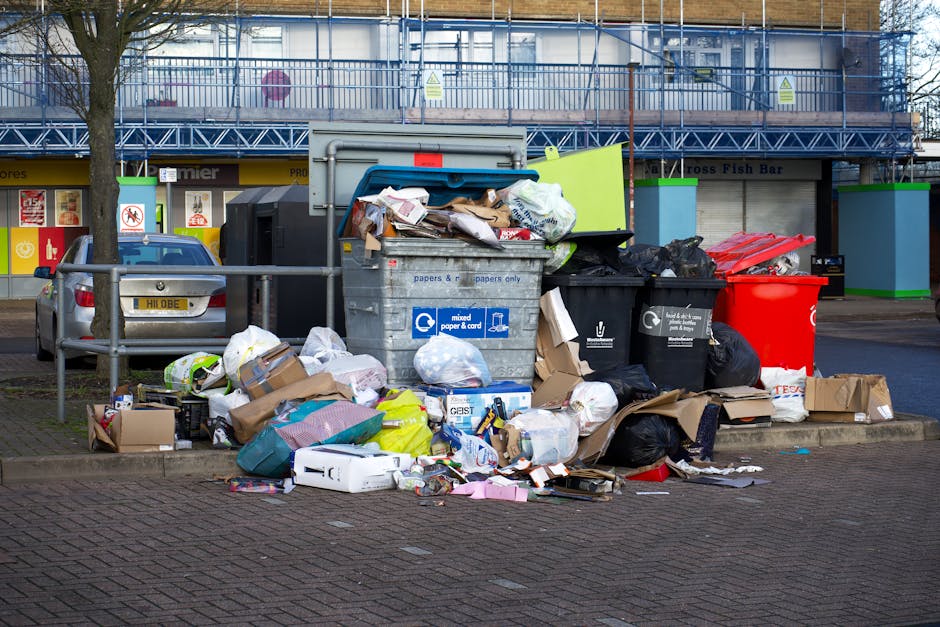
Grays High Street Shop Fitout Rubbish Removal Case Study
If you are planning a retail refit, you already know the hard bit is not always the new shelving, flooring, or signage. It is the mess in between. A Grays High Street shop fitout rubbish removal case study is useful because it shows what actually happens when a busy shop needs waste cleared quickly, safely, and without turning the street into a building site. In a place like High Street Grays, where access, neighbours, and customer footfall can all create pressure, a tidy clearance plan can make the whole job feel manageable instead of chaotic.
In this guide, we break down what shop fitout rubbish removal involves, why it matters, how the process usually works, and what a good clearance plan should include. You will also find a practical checklist, a comparison table, and a real-world style example that reflects the sort of challenges retailers run into during fitouts. No fluff. Just the useful stuff you actually need.
Table of Contents
- Why Grays High Street shop fitout rubbish removal case study Matters
- How Grays High Street shop fitout rubbish removal case study Works
- Key Benefits and Practical Advantages
- Who This Is For and When It Makes Sense
- Step-by-Step Guidance
- Expert Tips for Better Results
- Common Mistakes to Avoid
- Tools, Resources and Recommendations
- Law, Compliance, Standards, or Best Practice
- Options, Methods, or Comparison Table
- Case Study or Real-World Example
- Practical Checklist
- Conclusion
- Frequently Asked Questions
Why Grays High Street shop fitout rubbish removal case study Matters
A shop fitout creates a strange kind of waste. It is not just dust and plasterboard, although there is plenty of that. You also get packaging, broken displays, old counters, offcuts, fixings, redundant stock, damaged furniture, and the odd surprise item that nobody remembered was there. To be fair, every retail unit seems to hide at least one mystery pile behind a back room door.
That is why this topic matters. A fitout is usually time-sensitive, and rubbish builds up fast. If waste is not removed regularly, the site becomes harder to work in, harder to inspect, and harder to hand over on time. In a street-facing location, it can also look unprofessional very quickly. Piles outside the shop, blocked access, and overflowing bins are the kind of thing that can cause friction with landlords, contractors, and nearby businesses.
For a High Street setting, there is another layer too. Retail space often has tighter loading access and less room to stage waste than a warehouse or industrial unit. That means the removal plan needs to be more thoughtful. A good case study shows the difference between simply "taking rubbish away" and actually supporting the refit timeline.
Expert summary: shop fitout rubbish removal is not just a clean-up task. It is part of the build programme. When it is handled properly, trades move faster, the site stays safer, and the final handover is far less stressful.
If your project also involves wider commercial waste streams, it can help to review business waste removal alongside the fitout plan. For heavier builder-style debris, builders waste clearance is often the more relevant fit.
How Grays High Street shop fitout rubbish removal case study Works
In practice, a shop fitout clearance is usually built around stages rather than a single one-off collection. That matters because the waste types change as the project moves forward. Early on, there may be bulky strip-out material. Later, it becomes packaging, cuttings, and installation waste. Then, right at the end, there is the final sweep: all the leftover bits that somehow collect in corners and under counters.
The process usually starts with a site review. You look at the shop layout, access points, timing windows, and what sort of waste is likely to be produced. Then the clearance method is matched to the reality of the job. A tiny unit with no rear access needs a very different plan from a wider premises with a service yard. Simple, but easy to get wrong if nobody asks the right questions early.
The best rubbish removal arrangements also take account of who is working onsite at the same time. For example, decorators may need room to move, fitters may have delicate materials arriving, and electricians may not want waste stacked near cable runs. A tidy clearance plan respects that sequence rather than fighting it.
There is also the disposal side. Good practice is not merely "load and go". Waste should be separated where practical, with recyclable materials kept apart from general rubbish. If the project includes appliances, certain fittings, or damaged fixtures, those may need specialist handling. If something is bulky but reusable, separate disposal routes can be considered. For example, old shop fixtures can sometimes sit in the same family of clearances as furniture clearance or furniture disposal, depending on condition and composition.
Key Benefits and Practical Advantages
A well-run shop fitout clearance brings more than a clean floor. It changes the pace of the whole project. The obvious benefit is reduced clutter, but the practical advantages go further than that.
- Better access for trades: fitters can move more safely and work more efficiently when walkways are clear.
- Less downtime: waste that is cleared as the job progresses stops the site from bottlenecking.
- Cleaner handover: the final shop fitout looks sharper when there is not a last-minute pile of offcuts or packaging.
- Lower trip and slip risk: loose timber, plastic wrapping, cardboard, and broken fittings can all create hazards.
- More professional presentation: especially important on a visible High Street frontage.
- Smarter sorting: separating recyclable material can reduce avoidable landfill and improve overall waste handling.
There is also a less obvious gain: calmer decision-making. When rubbish is under control, the team can focus on the actual fitout. That sounds small, but anyone who has worked on a live retail project knows how quickly clutter drains attention. One crowded corner becomes three. Then someone spends ten minutes hunting for a toolbox under a stack of flattened cartons. It happens.
For retailers replacing counters, shelving, or back-of-house equipment, a shop refit may also generate bulky items needing specialist disposal. In those situations, it can be worth looking at office clearance for desk-based fixtures or fridge and appliance removal if the unit includes refrigeration or other white goods.
Who This Is For and When It Makes Sense
This kind of clearance is not only for large retail chains. In fact, smaller independent shops often need it just as much, sometimes more, because they have fewer staff and less storage space. If you are refurbishing a corner unit, rebranding a cafe-style space, or replacing tired interior fittings, you are likely in the right territory already.
It makes sense when:
- you are stripping out old shop fittings before installation starts
- you need waste removed during a live fitout rather than at the end
- you have bulky display items, broken shelving, or damaged stock to clear
- the unit has limited access and waste needs moving out in stages
- you want the site to stay presentable for landlords, inspectors, or customers nearby
- you need a fast turnaround because the opening date is fixed
It also makes sense if your project is being run by multiple contractors. That is where rubbish tends to multiply. One trade removes packaging, another strips floor coverings, and another leaves a small mountain of offcuts in the back. None of it is dramatic on its own, but together it can become a headache.
If the project is more extensive than a typical retail refresh, you may also need general waste removal support rather than a narrow service tied to one material type. In some cases, where the premises include domestic-style storage or mixed contents, a more general clearance approach can even overlap with home clearance or house clearance principles, though the commercial context still needs its own planning.
Step-by-Step Guidance
If you are planning a fitout on Grays High Street, here is a straightforward way to handle the rubbish side without overcomplicating it.
- Walk the site before work begins. Identify bulky items, likely waste streams, and where debris will naturally collect. Back rooms and tills areas often become accidental dumping zones.
- Decide what stays and what goes. This sounds obvious, yet it is one of the most useful steps. Label anything being retained, especially reusable stockroom items or fittings.
- Separate waste types where practical. Cardboard, timber, metal, plasterboard, packaging, and mixed rubbish should not all be treated the same way if sorting is feasible.
- Set removal points early. Make sure there is a clear route from the work area to the vehicle or collection point. Tight corners and narrow doorways need more thought than people expect.
- Schedule clearances around the trades. Do not wait until the floor is buried. Mid-project collections often keep the site functioning much better.
- Keep hazardous or specialist items separate. Some materials cannot simply be mixed in with general waste. If something looks questionable, pause and check rather than guessing.
- Do a final sweep before handover. Small items matter. Screws, cable ties, wrapping, and dust bags can spoil an otherwise polished finish.
A handy rule of thumb: if a person carrying a box has to sidestep twice to get through the shop, the waste plan is already too loose. Not a disaster, just a signal to tighten things up.
Expert Tips for Better Results
In our experience, the most successful fitout clearances are the ones that treat waste as part of the logistics, not an afterthought. That usually means a few habits that sound simple, but save a lot of bother.
First, protect the working route. Keep the main movement path clear from day one. It is easier to preserve a clear line than to clear a blocked one later. Once boxes are stacked in a corridor, they have a habit of staying there.
Second, use smaller removal cycles for busy sites. On a live or phased refit, small frequent clearances are often better than one huge final uplift. The site stays breathable, and the team can work without that ever-present mound of waste growing in the corner.
Third, think about neighbours and delivery times. On High Street locations, timing matters. Early morning, quiet windows, and back-of-house access can all reduce disruption. A noisy lift-out at the wrong time can annoy people quickly, even if the job itself is done properly.
Fourth, photograph the waste setup before removal. This is a boring little habit, but useful. It helps if there is a question later about what was cleared, what was left, or how the waste was arranged for collection.
Fifth, don't underestimate packaging volume. New fixtures often arrive wrapped in a surprising amount of cardboard, foam, plastic, and corner protection. The contents may look neat; the packaging, not so much.
For retailers trying to improve the sustainability side of a refit, look at how materials are handled at source. A modest amount of separation can make disposal more efficient. You may also want to review recycling and sustainability principles to keep the project aligned with better waste practice.
Common Mistakes to Avoid
Most clearance problems on shop fitouts are avoidable. They usually come from rushing, poor sequencing, or assuming the site will stay tidier than it does. It rarely does.
- Leaving waste until the end: this is the classic mistake. By the final day, the team is tired and the shop is cramped.
- Mixing everything together: it may seem quicker, but it often creates more sorting work later.
- Forgetting access constraints: a clearance vehicle may not be able to park exactly where you hoped. High Street reality can be a bit awkward.
- Ignoring specialist items: certain waste needs extra care, and it is better to confirm early than sort out a problem later.
- Not coordinating with fitters: removing waste at the wrong moment can interrupt installation or damage fresh finishes.
- Undersizing the clearance plan: packaging and strip-out waste often take up more room than people expect.
One very common issue is assuming a couple of van loads will cover everything. Sometimes yes. Sometimes absolutely not. The fix is simple: look at the project stages and allow for more than the first instinct suggests.
Tools, Resources and Recommendations
You do not need a complicated toolkit to manage a shop fitout rubbish removal project well, but a few practical items make a real difference.
- Heavy-duty sacks and liners: useful for smaller mixed waste and awkward offcuts.
- Labelled storage bins or zones: helpful for separating keep, recycle, and remove piles.
- Barrier tape or cones: keeps waste areas away from active work zones.
- Protective gloves and basic PPE: always sensible when moving sharp or dusty material.
- Clear route signage: especially useful where multiple contractors are on site.
- Photo record on a phone: quick and effective for tracking the state of the site before and after each stage.
If your project includes trade waste, stripped-out wall linings, or construction debris, it can help to compare options with builders waste clearance. For businesses that want a clearer overview of service expectations, the pages on pricing and quotes and book online can also help you decide how to organise the job.
Law, Compliance, Standards, or Best Practice
Any commercial waste job in the UK should be handled carefully and responsibly. The exact legal duties will depend on the type of waste involved, who produced it, and how it is being moved and disposed of. That is why it is wise to treat compliance as part of the planning, not a box-ticking exercise at the end.
At a practical level, best practice means keeping waste identifiable, avoiding unsafe mixing, and using a provider that handles materials properly and can explain what happens to the waste. If the fitout includes anything potentially hazardous, damaged electrical items, sharp fixtures, or suspected contaminated material, that needs extra caution. No heroics. Just sensible process.
Health and safety matters too. Clear walkways, safe lifting, dust control, and good housekeeping all reduce the risk of injuries. In a shop environment, this is especially relevant because staff, contractors, and sometimes even customers may be moving through nearby spaces. It does not take much for a loose board or box to become a trip hazard.
If you want to understand the standards behind the service approach, it is worth reading the site's health and safety policy and insurance and safety information. For more sensitive material, confidential shredding may also be relevant if the fitout involves files, labels, or paperwork that should not end up in mixed waste.
One final practical note: if a waste item could be classed as specialist or hazardous, do not assume. Check first. That pause can save a lot of trouble later, and frankly it is the professional thing to do.
Options, Methods, or Comparison Table
There is no single right way to clear fitout waste. The best method depends on space, timing, volume, and access. Here is a useful comparison to help you think it through.
| Method | Best For | Advantages | Limitations |
|---|---|---|---|
| One-off end-of-project clearance | Small refits with limited waste | Simple to organise, minimal admin | Can leave the site cluttered during the build |
| Phased removal during the fitout | Busy shop projects with limited space | Keeps routes clear, avoids bottlenecks | Requires more coordination |
| Mixed waste collection | General packaging and non-separated debris | Quick and convenient | Less efficient for recyclable materials |
| Separated waste handling | Projects with timber, cardboard, and metal streams | Better sorting, often tidier site conditions | Needs more discipline onsite |
For many High Street retail projects, phased removal is the sweet spot. It keeps the shop workable without making the team stop every ten minutes to shift rubbish. A bit of rhythm goes a long way.
Case Study or Real-World Example
Here is a realistic example of how a Grays High Street shop fitout rubbish removal project might unfold.
A small retail unit is being refitted for a new layout. The old shelving needs removing, the stockroom is being reorganised, and the shop floor is due to receive new fixtures and finishes. Early on, the team notices that packaging from deliveries is building up faster than expected. Cardboard starts stacking near the entrance to the back room, and a few old display sections are leaning against the wall "for later". You can almost hear the site getting tighter.
The first step is to create a waste zone away from active tools and fresh materials. Cardboard goes one way, timber another, and broken or mixed items are bundled separately. The bulky old fittings are removed before the next delivery window so they do not block the route. Once the site clears, the fitters have room to work properly again, and the new units go in without that constant shuffle around debris.
Midway through the job, a second clearance catches the overflow from packaging, offcuts, and a few damaged items that were not visible at the start. That is the point where the project usually feels lighter. The shop looks less like a worksite and more like a business again.
At the end, there is a final sweep: little pieces of film, cable ties, dust sheets, and forgotten scraps. Nothing fancy. But that last clean-out changes the whole feel of the space. The difference between "nearly done" and "ready to open" is often smaller than people think, and rubbish removal is part of that gap.
In cases like this, the right service is not simply about lifting things away. It is about matching waste collection to the pace of the fitout, keeping the unit safe, and helping the opening schedule stay intact. That is the practical win.
Practical Checklist
Use this quick checklist before and during your shop fitout clearance.
- Confirm what waste will be produced at each stage.
- Mark what is being kept, reused, recycled, or removed.
- Check access routes and parking/loading constraints.
- Set a safe place for waste collection and holding.
- Separate general debris from recyclable or specialist items where possible.
- Keep exits, walkways, and work zones free of clutter.
- Plan removal windows around deliveries and trades.
- Do a final sweep before handover or reopening.
- Review safety requirements for any sharp, heavy, or unusual items.
- Leave a little room in the plan for the unexpected, because there usually is something.
If you are sorting out a broader commercial premises as part of the same project, it can help to compare the fitout waste plan with office clearance or general business waste removal options so the whole job stays joined up.
Conclusion
A good Grays High Street shop fitout rubbish removal case study shows that waste handling is not a side issue. It is a practical part of the project that affects safety, timing, access, presentation, and even morale onsite. When the clearance plan is simple, staged, and realistic, the whole fitout tends to run more smoothly. Less chasing. Less clutter. Less last-minute panic, which, let's face it, nobody needs at 4.30 on a Thursday.
The main takeaway is straightforward: build waste removal into the fitout from the start. Think in stages, keep access clear, separate what you can, and do not leave the final tidy-up to chance. That approach works whether you are refreshing a single retail unit or managing a more complex commercial refit on a busy street.
If you are planning your next clearance and want a clearer picture of timing, scope, or waste handling options, the smartest next step is simply to review the service details and map them against your project schedule.
Get a free quote today and see how much you can save.
Frequently Asked Questions
What is shop fitout rubbish removal?
It is the removal of waste created during a retail fitout, including packaging, old fixtures, strip-out material, offcuts, and general debris. The aim is to keep the site safe and workable while the project moves forward.
Why is Grays High Street a tricky place for fitout waste?
High Street locations usually have tighter access, more foot traffic, and less room for storing waste. That means timing and coordination matter more than they would on a larger commercial site.
Should rubbish be removed during the fitout or only at the end?
During the fitout is usually better. Smaller, phased clearances help keep the shop usable and reduce bottlenecks. Waiting until the end can create a big pile-up and slow everyone down.
Can shop fitout waste include old furniture or fixtures?
Yes. Old counters, shelves, display units, chairs, and stockroom items are common in fitouts. Depending on the item, it may fall under furniture-type disposal or general commercial clearance.
What if the fitout waste includes appliances or refrigeration units?
Those items may need specialist handling. Fridges and similar appliances should be separated from general rubbish and dealt with carefully so they are removed in the appropriate way.
How do I know if waste is hazardous or specialist?
If an item seems unusual, contaminated, sharp, or unsafe to mix with general waste, treat it cautiously and check before moving it. When in doubt, do not guess. That is the sensible approach.
Is it better to sort waste onsite before collection?
Yes, where practical. Sorting cardboard, timber, metal, and mixed waste can make clearance more efficient and can support better recycling outcomes. It also helps keep the site tidier.
How much notice should I give before a shop fitout clearance?
As much as you can. Even short lead times can sometimes work, but giving notice early helps with access planning, timing around trades, and waste stream decisions.
What documents or checks should a business expect from a waste provider?
At a minimum, a business should expect clear communication about what is being removed, how the waste is handled, and the provider's safety and insurance approach. Transparency matters here.
Can rubbish removal help with a faster shop opening?
Yes. Keeping waste under control often prevents delays, improves access for fitters, and makes the final handover smoother. It does not magically build the shop, of course, but it helps a lot.
What is the biggest mistake people make with fitout waste?
The biggest mistake is leaving all the rubbish until the end. Once the site is packed with debris, everything becomes slower and more stressful. A little clearance at the right time makes a huge difference.
Where should I start if I am planning a fitout in Grays?
Start with the waste plan, not just the design. Map out what will be removed, when it will leave the site, and what access is available. That simple step prevents a lot of headaches later on.